Twin Peaks Video Game Leak Draws Alleged Producer Confirmation
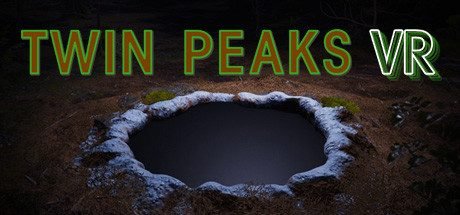
A Twin Peaks video game adaptation surfaced in a leak, and a producer on the series allegedly said the game is real and will come out, Polygon reported. The leak had circulated without official comment, and Polygon's story turns on whether the game is real.
Polygon built its account around two beats. Rumors about the game heated up after the leak, and then a producer responded in a way the publication describes as an alleged confirmation. The word allegedly carries the weight: the statement is attributed rather than documented, and the source does not present it as a formal announcement from the series or from a game company.
The substance of the claim is narrow. According to the source, a producer said the leaked adaptation is real and will come out. Polygon does not name that producer, does not quote them directly in the material available, and attaches no date, platform, developer, or publisher to the project. Those omissions leave a reader unable to check the claim against a named person, a studio, or a release window.
Two assertions sit inside that one sentence, and they are not equally strong. A game existing is a claim about work already done, while a game coming out is a claim about a schedule and a business decision that can change. The source reports the producer making both without separating them or offering evidence for either.
The story therefore rests on attribution rather than documentation. A leak shows that material tied to a Twin Peaks game circulated, which is not the same as a game being finished or scheduled. The producer's alleged remark, taken at face value, shows that someone with a production role says the game exists and has a release ahead of it, and it arrives without a company statement behind it.
Polygon frames the sequence as a rumor cycle in which the leak gave way to a producer's response. The ordering casts the producer as reacting to fan attention rather than announcing a project on a schedule. The available text does not carry the producer's exact words, whom they were speaking to, or when they said it.
Polygon's framing places the episode in a wider pattern of leak-driven stories, where a producer's comment raises the temperature without settling anything. Its headline treats the rumors as heating up, which puts the story in an active phase rather than a confirmed one.
The next step turns on an official word, and that word has not arrived. A developer or publisher confirming the project would move it past the leak stage, and a denial would end it. Until either lands, the game's existence and its release depend on one attributed remark, and the parties who would normally announce a licensed adaptation have not spoken for the record in the material available.
A single attributed remark is now the only basis for calling a leaked Twin Peaks game real and scheduled for release.